
Users in the UK often wonder how the companies behind popular titles such as Gates of Olympus actually create and run their games https://gatesofolympus-demo.com/. Understanding the process aids gamblers choose titles that match their bankroll and expectations, from the way reels and paylines are structured to the mathematics that sets return-to-player percentages and volatility levels. This article looks at the practical steps providers take when they develop a slot, how those decisions affect the player experience, and what to look for before placing real-money bets on any game.
Bonus Features That Change the Outcome of a Session
Most creators include at least one bonus round into all titles, because these features represent a large share of the overall RTP. In Gates of Olympus the central bonus is a free-spin segment initiated by hitting four or more scatter symbols. During the round a multiplier wheel can award values from 2× up to 500×, and every win is boosted by the active value. The round can be reactivated, allowing multipliers to grow even higher and generating the game’s signature big win events.
Wild symbols substitute for regular paying icons, increasing the chance of completing combinations. Some providers introduce expanding wilds, sticky wilds or wild multipliers that stay on the reels for several spins. Recognizing which wild action a game uses helps players expect how often and how large a payout can turn out during base play as well as during free spins.
Scatter signs and how they start features
Scatter symbols usually carry no line requirement; three or more in any position on the reels trigger a bonus. The exact number required, and the prize given, varies between providers. In some games three scatters give ten free spins, while four or five scatters may add extra spins or an immediate cash prize. Checking the paytable before you start avoids surprises and lets you determine the real cost of getting to the bonus round.
Scatter frequency is deliberately adjusted to match the game’s volatility target. High-volatility titles space scatters farther apart, increasing the average time between bonuses, whereas low-volatility games position them more generously. Players who track their own results over several hundred spins can judge whether the observed frequency matches the provider’s intended design.
Understanding RTP and Volatility in Actual Play

Return to player is the percentage of wagered money a slot is set to give back over a huge number of spins. A value of 96 % means that, on average, £96 is returned for every £100 staked, although short sessions can differ significantly from this long-term average. Providers must disclose RTP values for every UK-licensed game, and many show the number inside the game menu so players can check it before they start.
Volatility describes how that RTP is distributed. Low-volatility titles give smaller amounts more often, helping players extend their session on a modest bankroll. High-volatility games, such as Gates of Olympus, generate longer stretches without wins but contain the possibility of large multiplier clusters during bonus rounds. Selecting the correct volatility level is therefore a sensible bankroll decision rather than a matter of taste alone.
How volatility matters more than many players understand
A high-volatility slot can eat up an entire session balance before a single bonus round appears. Players who like to chase large wins must therefore establish strict loss limits and tolerate that many spins may return nothing. Low-volatility games lower that risk but limit the size of individual payouts, which can frustrate those seeking substantial returns within a short time frame.
UK operators often offer volatility indicators in the game lobby, using labels such as “high”, “medium” or “low”. Cross-referencing these labels with the published RTP offers a clearer picture of expected session behaviour than either figure provides on its own.
Why the Studio Matters When Selecting a Slot
The company that develops a slot determines every detail that shapes how the game feels. From the size of the reels and the number of symbols to the frequency of bonus rounds, the provider’s choices decide whether a title delivers frequent small wins or rare but large payouts. In the UK market, reputable providers provide verified RTP figures and submit their games to independent testing labs, which gives players a reliable way to compare options before they open a game. Checking the provider name on the loading screen or the information menu therefore shows you more than just branding; it guides you to the mathematics and features you can expect.
When a provider puts out multiple titles, patterns often appear in volatility, reel layouts, and bonus structures. A studio that prefers high-volatility games with six-reel setups will usually retain that approach across several releases, allowing experienced players to recognise the style quickly. Gates of Olympus, for example, uses a six-reel, five-row layout with a scatter-pay system instead of traditional paylines, a structure that shows up in other releases from the same developer. Knowing these patterns helps UK players judge whether a new release is likely to match their preferred session length and stake size.
Stake Range, Coin Denominations and Maximum Exposure
Stake limits in the UK are established by the operator, yet the provider still decides the minimum and maximum coin sizes present within the game code. A lot of slots allow bets from £0.10 up to £100 per spin, although some high-volatility games lift the floor to £0.20 or £0.50 to keep the top-end prizes proportionate. Understanding these boundaries helps players align the game to their session budget without exceeding comfortable loss limits.
Maximum exposure, sometimes called max win, relates to the largest payout the game can deliver from a single spin or bonus sequence. Gates of Olympus displays a maximum win of 5,000× the stake, a figure that is achievable only when the highest multiplier hits during a retriggered free-spin round. Providers share this ceiling so players can assess whether the potential reward warrants the risk of high volatility.
How coin value and bet level work together
Many contemporary slots separate the coin value from the number of coins or ways played. Increasing the coin value increases the absolute size of every payout, while adjusting the bet level alters how many coins are staked per line or per way. Comprehending this split prevents players from accidentally putting a larger bet than intended when they simply wanted to raise the coin size.
UK players should also keep in mind that some operators impose additional stake caps during bonus rounds. Reviewing the rules page before you start ensures that the maximum exposure figure advertised by the provider remains achievable under the operator’s own limits.
Common Questions
Does every UK casino site offer Gates of Olympus?
Availability hinges on what games the selected operator holds licenses for. Most major UK-facing sites carry the title, but smaller platforms may omit it. Reviewing the game lobby or utilizing the site search feature verifies the slot’s availability prior to account creation.
What RTP is officially listed for Gates of Olympus?
The developer states an RTP of 96.50 % for the standard edition. Certain operators provide a reduced RTP configuration to meet regional regulations, thus players ought to check the number in the game info section prior to starting real-money gaming.
How many free spins are granted per bonus round?
Hitting four scatters grants fifteen free spins. Extra scatters appearing in the round add five spins per occurrence, with no maximum cap mentioned in the guidelines, letting the bonus go on as long as scatters remain in play.
Can Gates of Olympus be accessed on a smartphone in the UK?
The slot is built with HTML5, which means it loads directly in modern mobile browsers without an app. Touchscreen controls take the place of desktop buttons, and the six-reel layout scales automatically to fit smaller screens while preserving all features.
What is the lowest wager allowed to play?
The lowest total bet is typically £0.20 per spin, though certain UK operators establish their own minimum at £0.10. The game interface shows the applicable minimum, so bettors can check the exact number prior to starting a spin.
Does this slot feature a progressive jackpot?
No, Gates of Olympus uses a fixed maximum win of 5,000× the stake. The maximum win does not increase through contributions from other users, unlike progressive jackpot titles that pool stakes across multiple sites.
How to Play Gates of Olympus Step by Step
Begin by selecting the game from the lobby and viewing the paytable, which explains symbol values, ways-to-win calculations and the specific rules for the free-spin feature. Adjust your total stake using the plus and minus buttons; the visible amount updates instantly so you can check it matches your intended budget before you press spin.
Once the reels stop, any victorious symbol clusters pay instantly according to the scatter-pay system. If four or more scatters appear, the free-spin round starts and the multiplier wheel sets the starting multiplier. During free spins, achieving additional scatters adds more spins and can increase the active multiplier, enhancing the potential payout for every subsequent win.
Configuring settings for convenience and safety
Most UK-licensed versions include options to set loss limits, reality checks and autoplay with a maximum number of spins. Employing these tools before you start helps preserve control over session length and spend. Autoplay can be paused without manual input when a single win exceeds a chosen threshold, avoiding the balance from climbing or falling too far without your direct input.
Sound and speed settings also influence the playing experience. Faster reel stops decrease the time between decisions, which can increase the number of spins per hour and therefore the rate at which a bankroll is used. Slower settings give more time to consider each outcome and may help players adhere to pre-set limits.
How Reels, Rows and Paylines Determine Every Spin
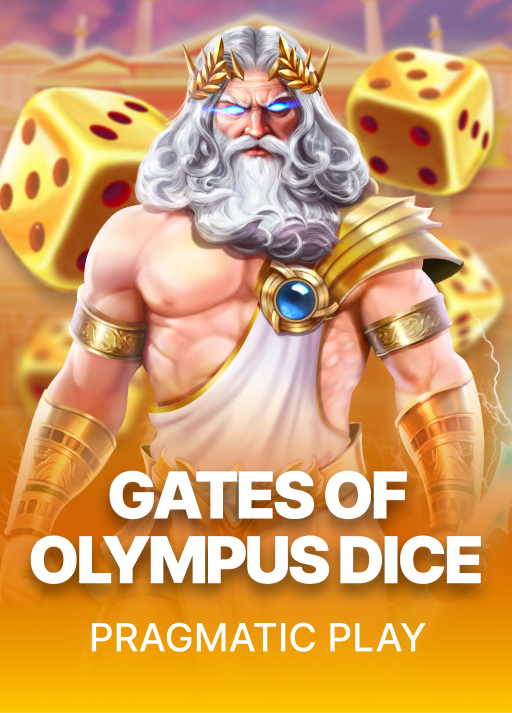
Modern slots hardly ever rely on the classic three-reel, single-payline format. Most providers now create games on five, six or even seven reels with multiple rows, offering hundreds or thousands of ways to win. Gates of Olympus uses a six-reel, five-row grid that pays for matching symbols anywhere on adjacent reels rather than along fixed lines, resulting in 720,000 possible combinations. This scatter pays model does away with the need to track individual paylines and changes how often wins appear compared with older formats.
The number of rows also impacts symbol frequency. A five-row reel has more positions for high-value symbols to land, which can raise the chance of triggering features. Conversely, a taller grid scatters lower-value symbols across more spaces, a little lowering the hit rate for premium combinations. Players who like steady small wins may find shorter grids more comfortable, while those seeking larger multipliers often accept the longer reels and the higher variance they bring.
Paylines versus ways-to-win systems
Traditional paylines need symbols to land on specific lines, and wins are only counted if the combination follows one of those preset paths. Ways-to-win systems, by contrast, pay whenever identical symbols appear on consecutive reels regardless of their vertical position. This change lowers the number of rules a player must remember and raises the frequency of small line hits, although the average payout per hit is usually lower to keep the overall RTP stable.
UK-facing games must show the exact number of ways or paylines in the information screen. Looking at this figure before you play tells you how many potential winning combinations exist on every spin. A game with 20 fixed paylines will feel very different from one with 243 or 720,000 ways, even if both titles have the same RTP and volatility rating.
Frequent Blunders Players Commit When Evaluating Slots
One frequent error is believing that a higher RTP always means better short-term results. RTP is calculated over millions of spins, so a 96.5 % game can still generate long losing streaks, while a 94 % game can deliver early wins. Volatility, maximum exposure and bonus frequency collectively give a better picture than RTP alone.
Another mistake is overlooking the difference between fixed jackpots and progressive jackpots. Gates of Olympus offers a fixed maximum win rather than a progressive jackpot, which means the top prize does not grow with pooled stakes from other players. Players who enjoy the excitement of a rising jackpot should look for titles that explicitly state progressive in the rules, because the payout potential and volatility profile vary significantly from fixed-maximum games.
Ignoring the paytable before the first spin
Many players skip the paytable and therefore overlook important details such as the exact number of scatters needed to trigger free spins or the highest multiplier value available. Taking thirty seconds to read the information screen avoids confusion later and helps set realistic expectations about how often bonuses should appear.
Finally, some players pursue a recent big win by increasing their stake dramatically. Because each spin is independent, past results have no influence on future outcomes. Keeping stake changes small and within a pre-planned range safeguards the bankroll and keeps the session enjoyable regardless of short-term variance.